Blog
Meditation 101: How To Start Meditating| What Is Meditation | Benefits Of Meditation | Meditation Near Me | How To Meditate In Bed | How To Meditate For Anxiety | Yoga
The concept behind meditation might seem simple at first sight. Practicing mindfulness or focusing on a particular thought shouldn’t be that hard, right?
But as soon as you decide you should start meditating and get all the benefits of this practice, things get really confusing.
Developing awareness of the present moment, breathing correctly, observing your thoughts – it can get rather overwhelming if you are a beginner and just embarking on your meditation journey.
This article includes tips and all the basic steps you should take to start meditating.
But as soon as you decide you should start meditating and get all the benefits of this practice, things get really confusing.
Developing awareness of the present moment, breathing correctly, observing your thoughts – it can get rather overwhelming if you are a beginner and just embarking on your meditation journey.
This article includes tips and all the basic steps you should take to start meditating.
3 Things You Should Know Before You Start Meditating
There are many misconceptions about meditation. Here are a few things you should know about meditations to start off the right way.
There are many misconceptions about meditation. Here are a few things you should know about meditations to start off the right way.

1. It Takes Practice
We know how it feels when all your favorite YouTubers have a 10-minute meditation in their morning routine and all they say is how great it feels to meditate. But the truth is, meditation takes practice. It’s not as easy as some people make it seem.
Even for people that have been practicing meditation for a long time, keeping their minds calm and their attention from wandering may still be challenging.
So, if you have attempted to meditate a few times and have had no luck, don’t give up. Learning how to meditate takes practice, patience, and persistence.
To stay on top of your mindfulness routine it is a good idea to start a monthly meditation tracker where you can check off the days you immersed into your spiritual practice. There is a theory that it takes 21 days for old mental patterns to dissolve and a new habit and new neural pathways to form.
We know how it feels when all your favorite YouTubers have a 10-minute meditation in their morning routine and all they say is how great it feels to meditate. But the truth is, meditation takes practice. It’s not as easy as some people make it seem.
Even for people that have been practicing meditation for a long time, keeping their minds calm and their attention from wandering may still be challenging.
So, if you have attempted to meditate a few times and have had no luck, don’t give up. Learning how to meditate takes practice, patience, and persistence.
To stay on top of your mindfulness routine it is a good idea to start a monthly meditation tracker where you can check off the days you immersed into your spiritual practice. There is a theory that it takes 21 days for old mental patterns to dissolve and a new habit and new neural pathways to form.

2. Everyone Learns Differently
Your friend may learn to meditate by watching a video or two on Youtube. But that might not be the case for you.
Don’t be discouraged and look for a different way to start learning how to meditate. Some people learn how to meditate on their own, others master the practice of mindfulness in a group. You can also choose to learn meditating by listening to various guides, going for an offline or online retreat, etc.
In a word, look for a method to learn meditating that works for you, keep trying, keep exploring various techniques, see for yourself what works for you and remember that everyone learns differently.

3. Don’t Expect Your Mind to Shut Off Completely
Many people believe meditation is about switching off your mind completely. Going into the practice of meditating with this idea may prevent you from learning how to meditate efficiently.
Before you start meditating, it is important to know that you don’t need to switch off your mind. It is normal for your mind to have thoughts. Based on human brain research by Nature Communications, an average person has over 6,000 thoughts in a single day.
The key is to bring your awareness to any ideas, reflections, images that pop into your mind, disconnect from them and let them flow by without creating any emotional reactions.
What meditating does is to help you stay focused and don’t stress over the thoughts that may come and go.
7 Easy Steps to Start Meditating
As we have already mentioned in this article, learning how to meditate takes practice and a little time. If you are a beginner, you surely need guidance and a place to start. Here are seven easy steps to start meditating.
As we have already mentioned in this article, learning how to meditate takes practice and a little time. If you are a beginner, you surely need guidance and a place to start. Here are seven easy steps to start meditating.
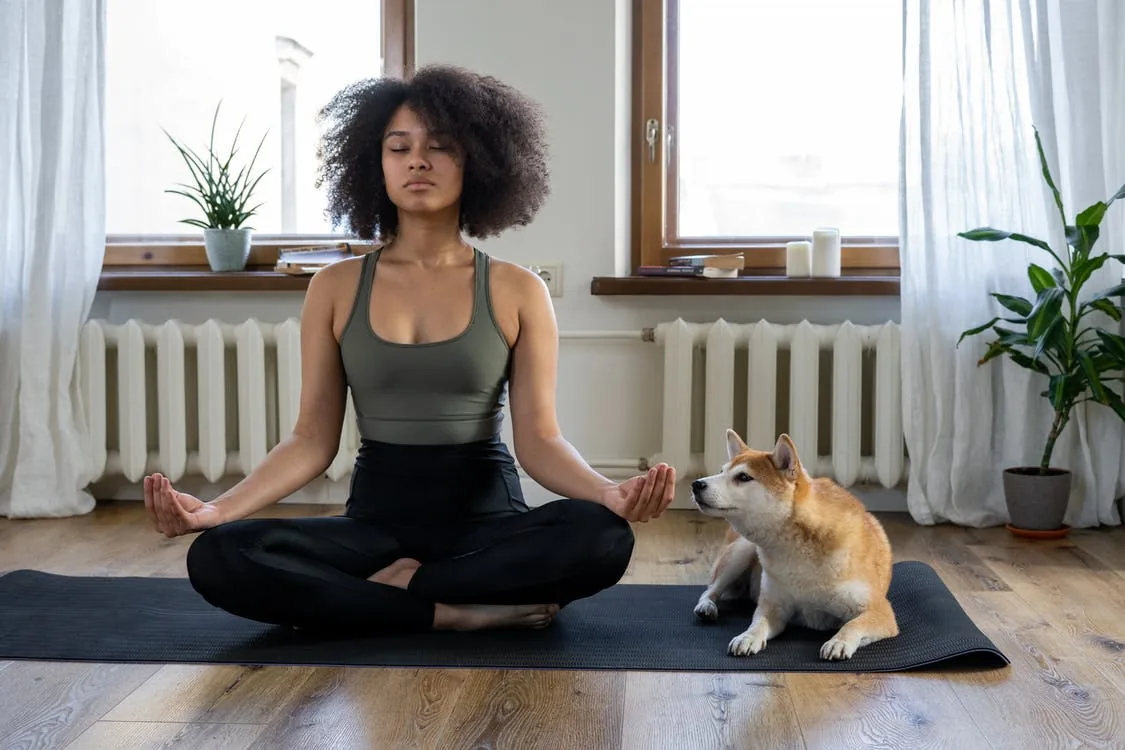
1. Find a quiet spot and take a sit. Any place where you feel calm and comfortable will work. Sit conveniently, paying attention to your position. It should be stable and comfortable for you to stay in it for a while.
2. Set a timer. If you are a beginner, it is best to start with 5 to 10-minute meditation sessions.
3. Close your eyes or lower your eyelids. As it is easier for beginners to get distracted, closing your eyes is helping you to focus on the process of meditating.
4. Focus on your breath. Pay attention to its natural rhythm and how you inhale and exhale.
5. Pay attention to your thoughts. It is okay for your mind to wander if you are new to meditating. Simply keep track of it and bring your focus back on your breath.
6. Keep meditating for as long as you have set a time limit. Count your breaths, and bring back your focus as many times as needed.
7. Open your eyes when your session is over and stretch. Take a moment to notice how you feel after meditating. Express gratitude to yourself for creating time in your busy schedule for your practice, and look forward to your next session.
2. Set a timer. If you are a beginner, it is best to start with 5 to 10-minute meditation sessions.
3. Close your eyes or lower your eyelids. As it is easier for beginners to get distracted, closing your eyes is helping you to focus on the process of meditating.
4. Focus on your breath. Pay attention to its natural rhythm and how you inhale and exhale.
5. Pay attention to your thoughts. It is okay for your mind to wander if you are new to meditating. Simply keep track of it and bring your focus back on your breath.
6. Keep meditating for as long as you have set a time limit. Count your breaths, and bring back your focus as many times as needed.
7. Open your eyes when your session is over and stretch. Take a moment to notice how you feel after meditating. Express gratitude to yourself for creating time in your busy schedule for your practice, and look forward to your next session.